

Mailbag for September 12, 2025
TIFF’s People’s Choice predicting Oscars, what are film festivals for (?), Ayo Edebiri's BLM exclusion, ratings on Rotten Tomatoes, BTS and political activism in South Korea, and more...

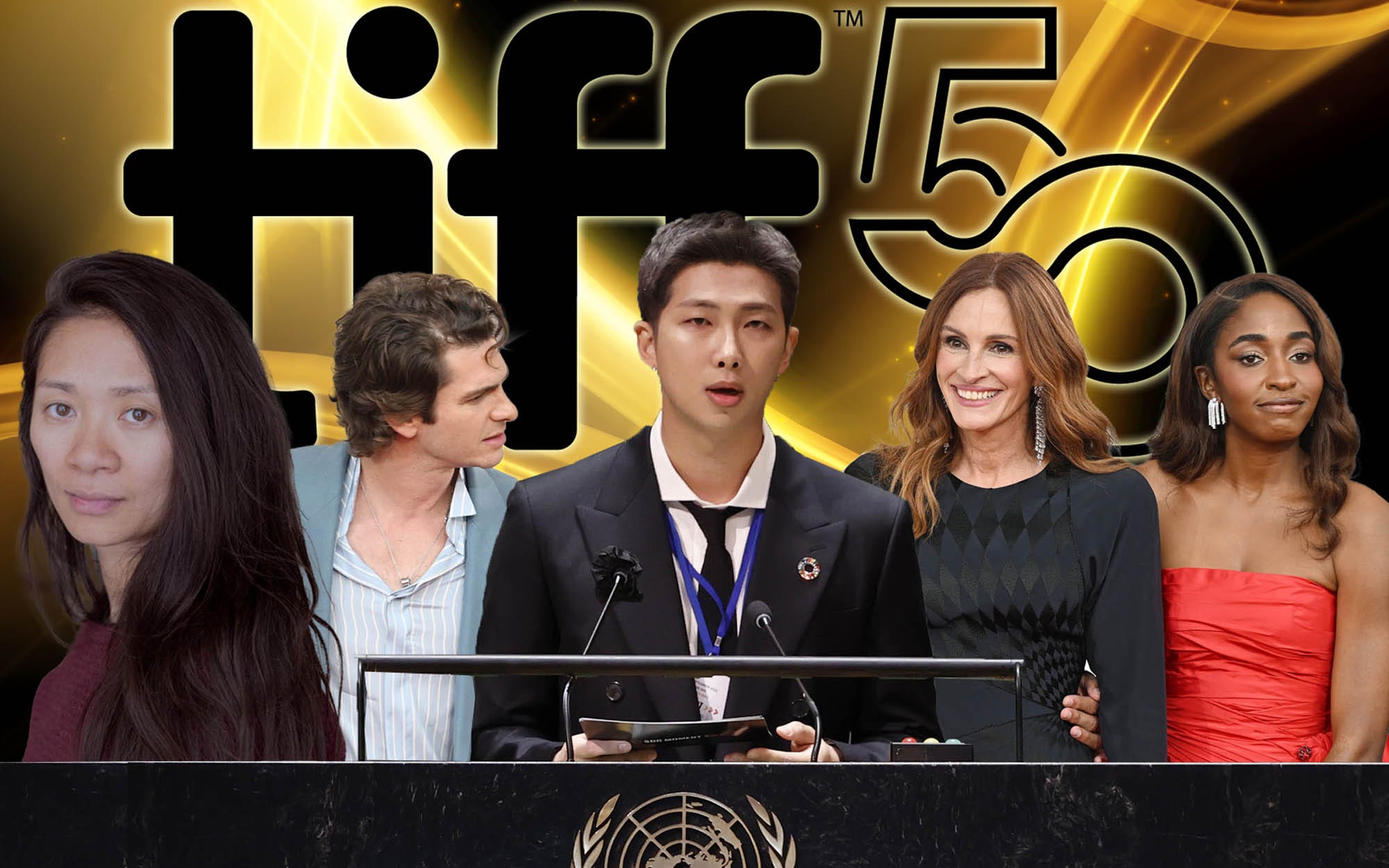
Dear Squawkers,
The Toronto International Film Festival is almost over, and we are waiting now for the announcement of the festival’s People’s Choice Award. This is an audience-voted award but unlike other audience choices at award shows, TIFF’s People’s Choice has, over the years, been an Oscars bellwether. The films that have appealed to audiences in Toronto, more often than not, go on to receive multiple Oscar nominations, including Best Picture. In 2020, TIFF’s People’s Choice was Chloé Zhao’s Nomadland. A few months later, Chloé became the first woman of colour to win the Oscar for Best Director, Frances McDormand won Best Actress, and Nomadland was the Academy’s Best Picture.
One of the signs at TIFF that a film is gaining momentum for People’s Choice is screening additions. When a film picks up buzz from early screenings and the demand for tickets increases, the festival will add showtimes later in the festival to accommodate the interest. Chloé’s latest film, Hamnet, is one of those titles. (You can read Sarah’s review of Hamnet here.)
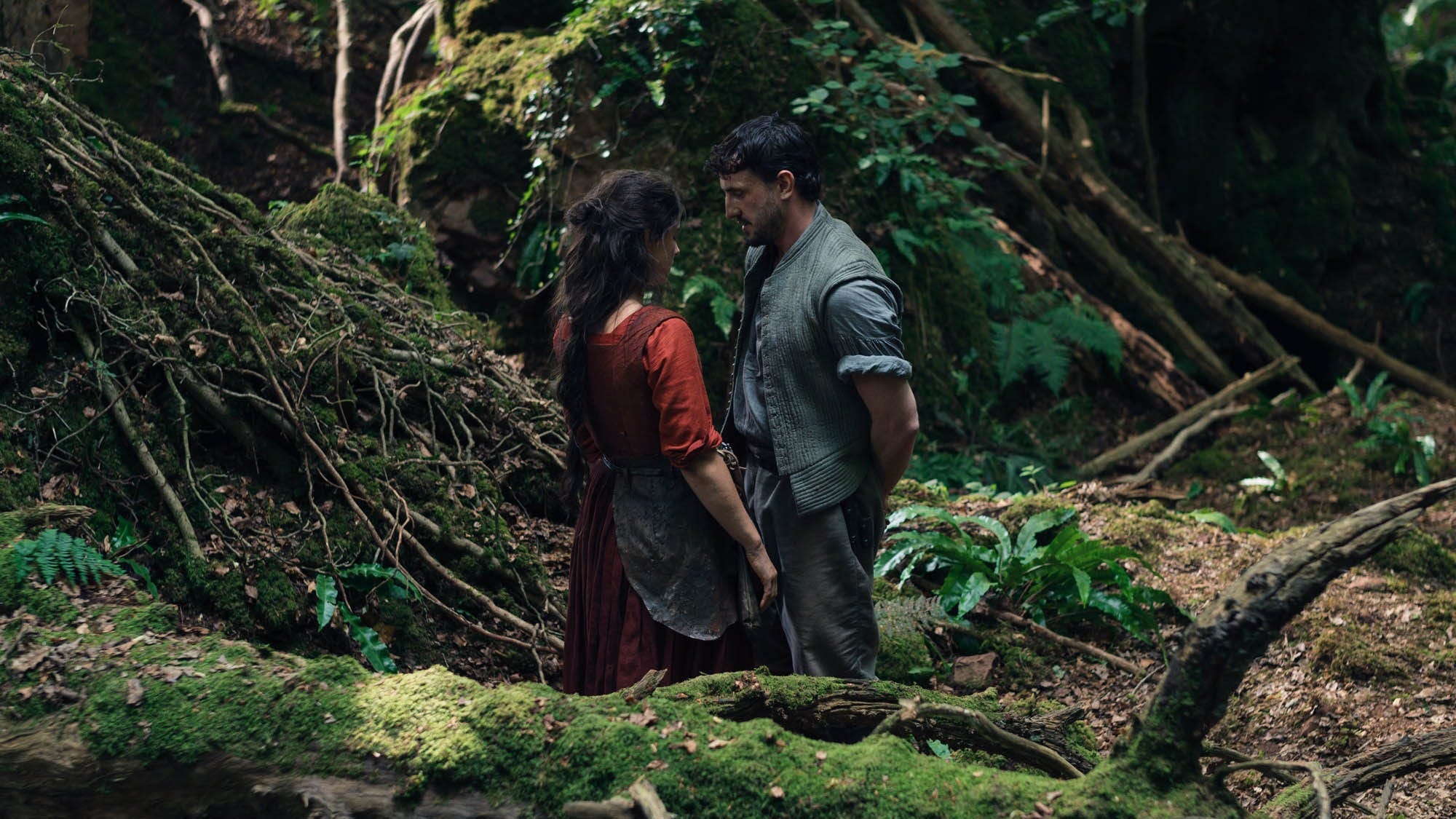
But there’s also Tuner, one of Sarah’s favourites this TIFF, and it doesn’t yet have distribution. I suspect that’s only a matter of time because audiences in Toronto LOVED it. Not sure if it has the profile of some of the other films that came into TIFF pretty hot, but it’s been one of the surprises of the festival – kinda sorta like The Life of Chuck last year in terms of enthusiasm.
Other films that are getting more screenings are Rental Family and Wake Up Dead Man played really, REALLY well.
Back to Hamnet, though, even without TIFF’s People’s Choice, it is now considered a frontrunner for a Best Picture nomination and, at this point in the season (understanding that of course things can always change), it’s a three-way race between Chloé Zhao’s film, Ryan Coogler’s Sinners, and Paul Thomas Anderson’s One Battle After Another after its non-festival premiere this week in Los Angeles. I’m both surprised and relieved that Sinners is still in it – as it should be, of course, but for one, it came out months ago, and two, you’ll recall there was all that weird (and sus) bitterness floating around when Sinners was crushing it at the box office. Both Sinners and One Battle After Another are Warner Bros titles. There’s more than enough time to talk about this later down the road but something to think about after One Battle comes out and the discourse begins.
In the meantime, back to Hamnet and a question that showed up in the chats this week from “Vitally Useless”:
“Probably too early for it but let’s do it anyway. Will they try to run Jessie Buckley as a Best Supporting Actress even though, according to Sarah she’s clearly a lead?”
Sarah’s answer in the chat was that “I don't know how they possibly could. She is clearly the lead of the film. Paul Mescal is only in about half of it. He is the supporting character. She is the lead.”
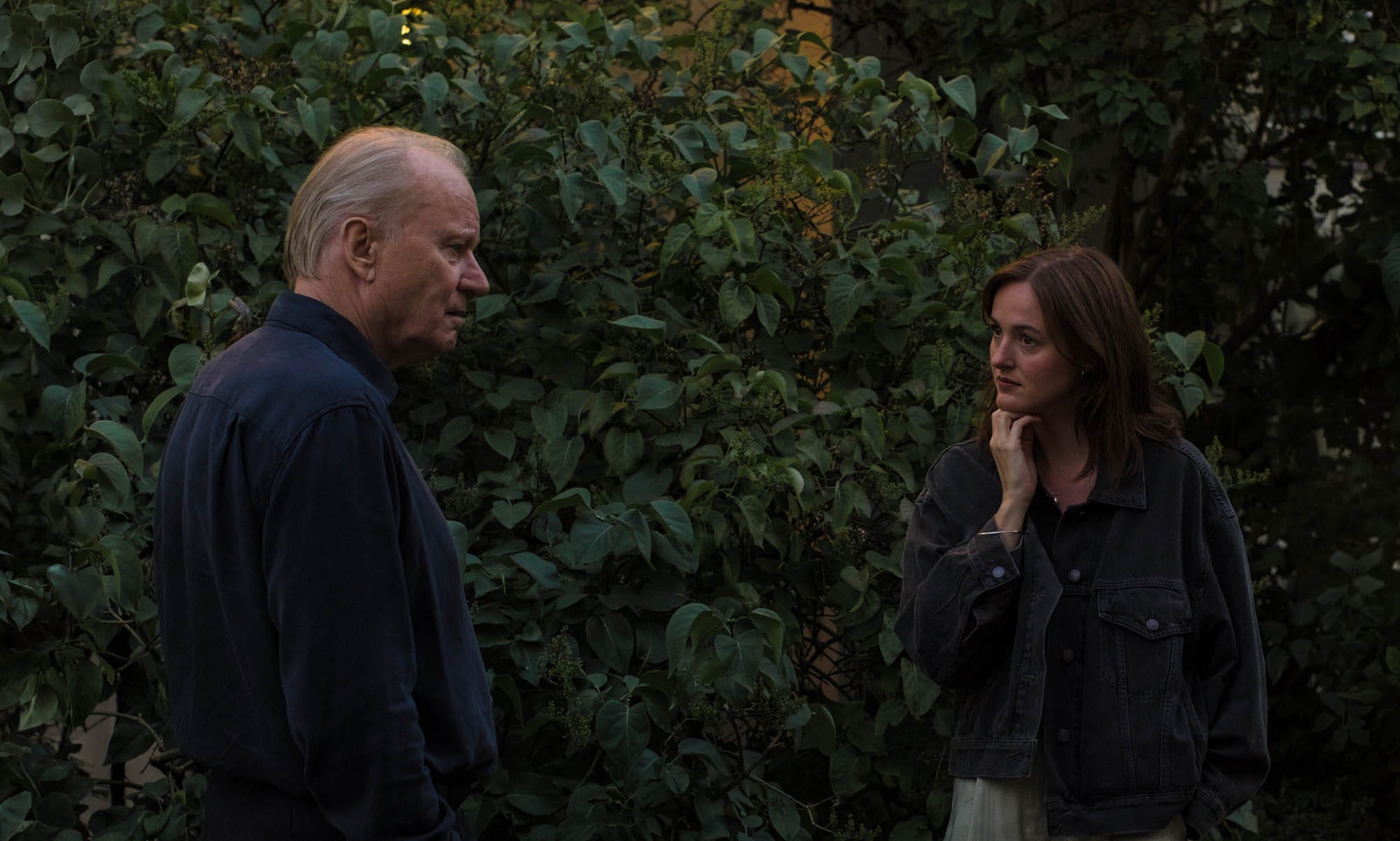
Also, on virtually every predictions list right now, Jessie Buckley is in the lead in the Best Actress category. She is, by far, the actress who’s coming out of the festivals with the most heat – in the right category. Renate Reinsve’s performance in Sentimental Value is also, at this point in the race, a very strong contender. There are some people who are obsessed with this film, Charli xcx is the most famous example, which is how it’s stayed in the conversation since Cannes. I’m not as big on it as others but Renate is the strength of the film, and I was charmed by her during the festival after interviewing her twice. She is delightful and sweet and chill and hilarious and ridiculously beautiful in person. The wider internet mainstream may not be paying all that much attention to Sentimental Value and Renate but don’t sleep on her for a nomination. Not necessarily a win but right now a nomination is looking good.
My TIFF is not over yet. Tomorrow (Saturday) I have two red carpets, one of them is the documentary Lilith Fair: Building a Mystery which I basically sobbed my way through because…it’s the music, it’s hitting me at my most tired and defenceless, LOL, bringing me back to some highs and lows in the 90s. And also reflecting on my personal feminist journey, all that I’ve had to unlearn and confront, all the work that we still have to do, so much of that is captured as a shared experience in a documentary about a groundbreaking, trailblazing, vital music festival that…well…a lot of people have never heard of or barely remember. This is too fucked up for me to even process. But I guess that’s one of the reasons why this film is important. If you get a chance to, please see it. Ally Pankiw’s Lilith Fair: Building a Mystery premieres on CBC in Canada on September 17 and on ABC and Hulu in the US on September 21. Here’s the trailer that just dropped today.
Finally, I know there have been some questions about my other TIFF experiences – a newsletter is coming soon! But first, mailbag let’s go.
Question from JenC:
I’m wondering about the role of film festivals. As more and more movies are preexisting IP and studios get afraid to try new stuff and people stay home to stream, what are film festivals for? Do they serve a primarily business purpose, do they make money for whoever holds or hosts them, etc. what is their role and how has it changed over the past 15 years?
Sarah’s answer:
First and foremost, film festivals are for people to watch films. And for as much as we hear about people staying home and streaming, that has not been my experience at film festivals. I’m a programmer for the Chicago Critics Film Festival, and we had record attendance at our fest this past May, selling out a 700-ish seat theater multiple times over the course of a week. And at TIFF, some of the busiest screenings and premieres were for movies we know will be on Netflix within the next couple months, like Wake Up Dead Man and Frankenstein. But people WANT to see those movies in theaters, so those who could, did.
Festivals do serve multiple purposes, though. Some, like Cannes and now TIFF, have a market component, meaning films without distribution can screen for potential buyers. There’s also the business of awards season, especially for the fall festivals, which mark the official start of the trophy trail. TIFF is a marketplace, and a hype machine. Venice and Telluride don’t have a market component, but they certainly feed the hype machine, too. The New York Film Festival is getting more into hype now, flexing their power, premiering films like Bradley Cooper’s Is This Thing On?, which is currently penciled into the Oscar race.
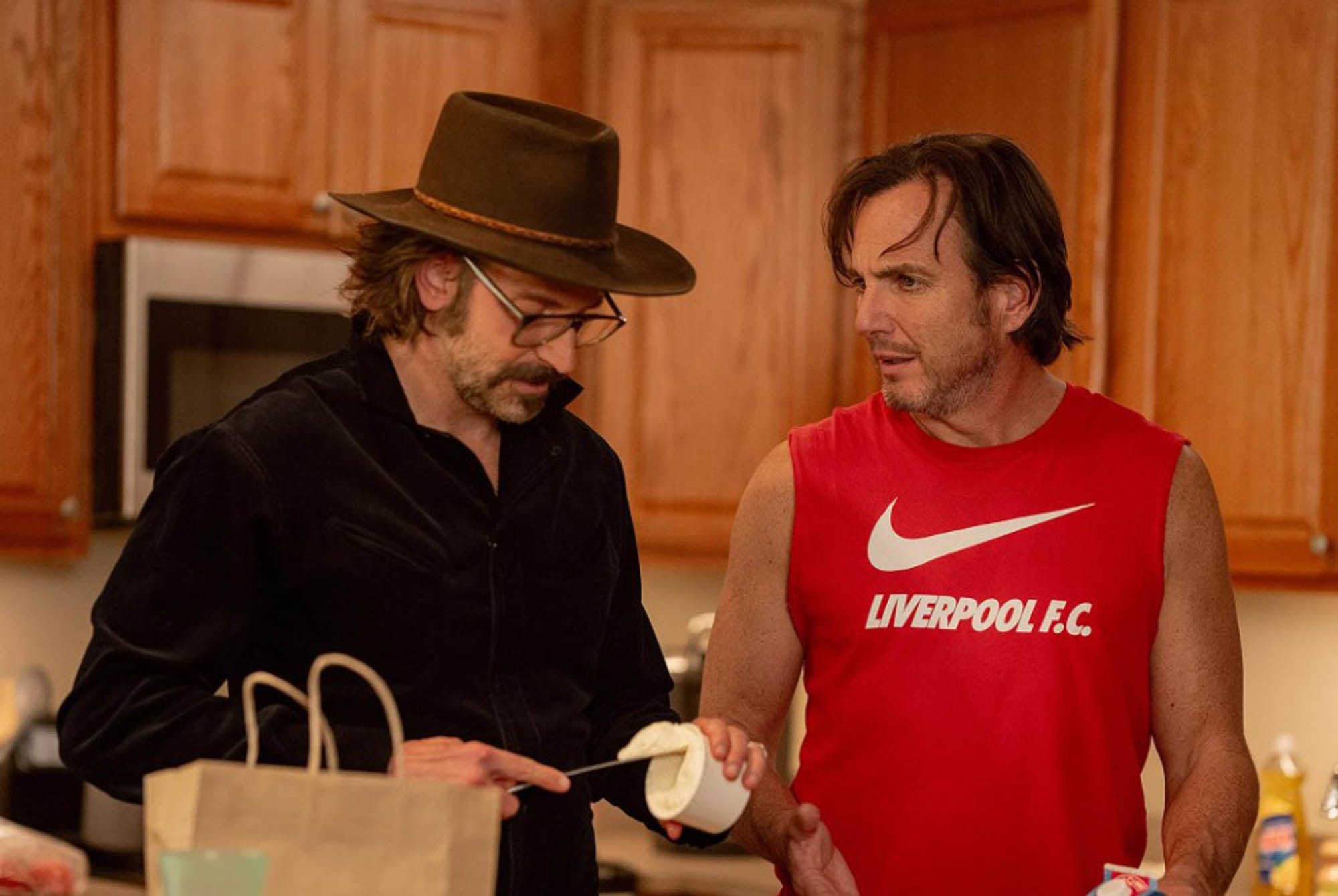
But at the end of the day, the one thing that unites all film festivals, big and small, marketplace or not, is that they are a place for cinephiles to come together and watch, talk about, and celebrate film. TIFF was strange, because media companies are acting like substantive criticism is dead and everyone is losing their job and it’s generally a scary time, but then I spent a week at PACKED screenings, talking nonstop about this, that, and the other movie, comparing thoughts and ideas, sharing experiences, generally talking film all day with strangers.
Never have I been more convinced that there is a MASSIVE disconnect between audiences and media companies. Not filmmakers—they’re on board with audiences. People just want good movies, to make them and see them. But the corporations in charge of it all? The studios, networks, streamers, and some, if not all, of the distributors? I think something is fundamentally, maybe even irreparably broken. I’ve said for years the people in charge aren’t from the entertainment industry, they’re MBAs and accountants put in charge of creative industries they fundamentally don’t understand, and I fear they’ve already run us off the cliff. I don’t know what will happen next, but I think we’re headed for a major sea change, and it won’t be streaming or AI that drives it, it will be audience demand. And that starts at festivals.
PS: Check your local area, I bet you have a film festival nearby. There are tons of little local fests like the one I work on, I know because I just spent a week watching movies with the people who program them.
Question from Patty:
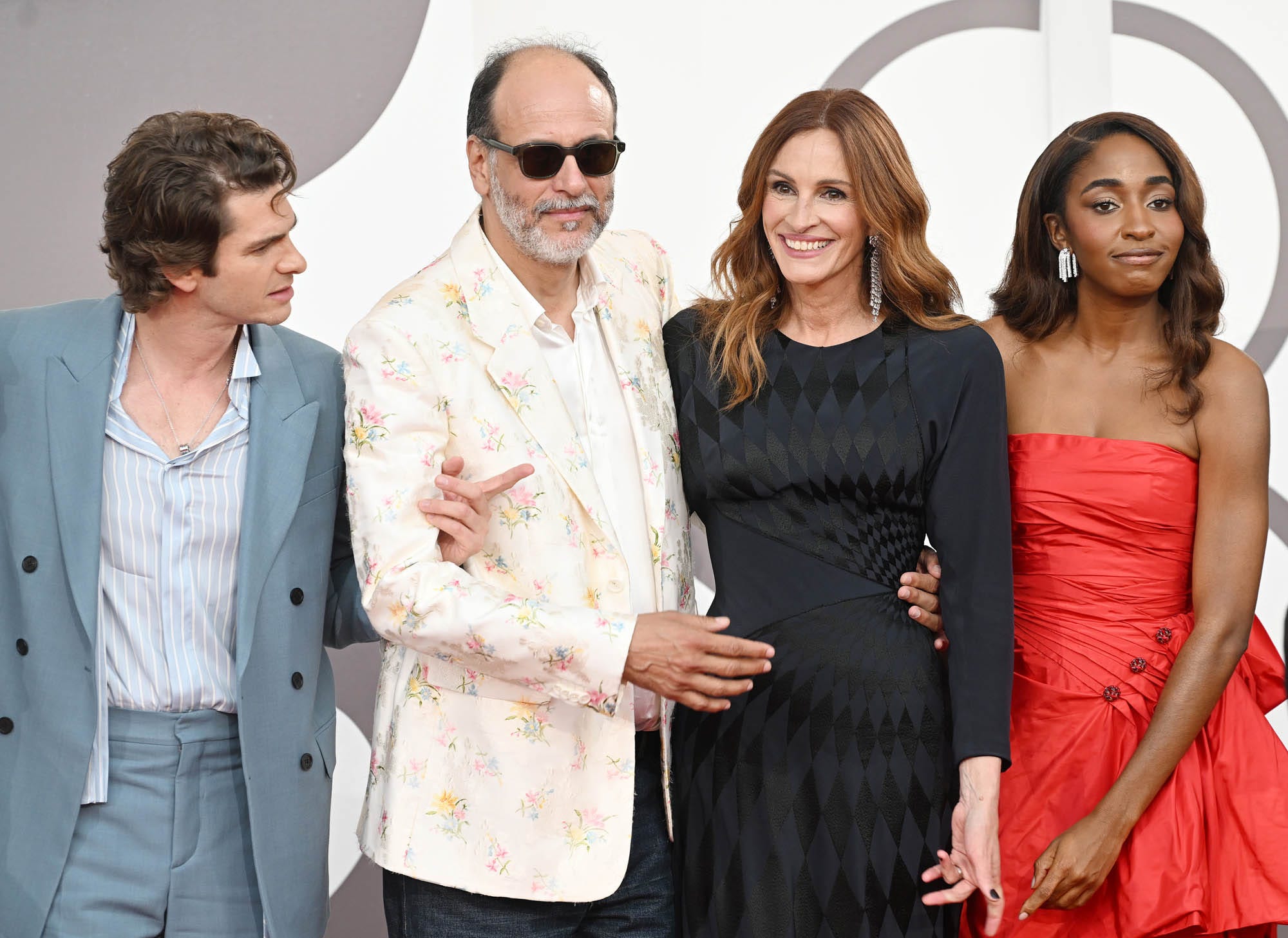
What are your thoughts of the interview for After the Hunt where the interviewer specifically excluded Ayo Edebiri from the question which included asking about Black Lives Matter?
Lainey’s Answer:
If you haven’t seen the interview that Patty is referring to, click here. Since I also interview celebrities at film festivals, I get how sometimes the way moments are clipped for social media, we can often miss a lot of context. I’m not saying that that’s what happened here, but it would be interesting to see how this question fit into the larger conversation that the journalist had with Ayo Edebiri, Julia Roberts, and Andrew Garfield. Like I want to know what preceded it and what followed, whether or not there was any connective tissue, because we’re always trying to find a flow, so that the interview doesn’t just become a choppy, I ask, you answer situation.
Would it make a difference in this case? Probably not. Especially when you consider the journalist’s response to the backlash; it’s giving wrong and strong, without an acknowledgement that perhaps there could have been a different way to phrase the question that wasn’t so off-putting and exclusionary.
For me, personally, the way the question was worded was triggering. Maybe it’s just me but starting with “What we lost during the politically correct era” in my opinion is, well, a choice. A coded one. Like to link the “politically correct era” to Me Too and Black Lives Matter is…I mean…Me Too and BLM were not “politically correct”, these are human rights movements and to characterise them that way automatically diminishes how critical these issues continue to be. As in, they are not over.
And then, after setting that kind of energy, and mischaracterising what Me Too and BLM are, directing the question to the white people in the room was kinda like doubling down on the undertone.
If – and this is really giving her the benefit of the doubt – she actually had good intentions, though, there was a way to go about this that would have resulted in a better outcome. You asked for my thoughts on it and to be honest, my mind in these situations, because I also do this job, always goes to how to improve the execution. And it happens to be something I already spend a lot of time thinking about: it’s important to not just ask people of colour and/or the marginalised group questions about racism and misogyny.
So you could put that directly into the question, here’s a stab at it that we can all noodle together:
“The Me Too and Black Lives Matter movements require all of our participation/allyship/commitment. It shouldn’t just be women involved in advocacy efforts, it shouldn’t just be Black people. So Andrew and Julia, I’d like to start first with both of you and your thoughts on what we can expect in Hollywood in terms of social justice and allyship?”
I just timed that out. It was about 17 seconds, and I talk fast. So let’s say 20 seconds for people who aren’t motormouths. In the original interview, the journalist took 12 seconds to get out her question and…well…we saw how that went. So even though 20 is on the slightly longer side (you don’t want to eat up too much time because most of the time should go to the people being interviewed), for a question this sensitive, it’s better to be clear with your word choices and the ideas you’re exploring, taking 8 more seconds to ensure it would be the smarter and safer decision.
I would probably noodle it some more and get it tighter and clearer, but this is the kind of work my colleagues and I put into our interview preparation. I don’t always time my questions like I just did above but for the critical ones, for the ones I really want to nail, I rehearse the shit out of it, on a granular level.
One last observation here that I’m still puzzling over, and this just might be me, and maybe there’s a medical reason for it but…why was the journalist wearing sunglasses for this interview?!? When I’m doing an interview, I want the people to whom I’m talking to see my whole face, my eyes, so that I can best express my sincerity and curiosity. The sunglasses thing is keeping me up at night, and also, you can tell that Julia Roberts was bugged by it.
Question from Patty:
I was wondering if you have an opinion on the Puck News article about ratings on Rotten Tomatoes?
Sarah’s answer:
Much love to Puck, but “is Rotten Tomatoes rigged?” isn’t even a new question, it’s been discussed openly, including allegations of payola, for years now. Here’s a report from two years ago about publicity firms manipulating reviews and RT scores.
There was a time in the early 2010s that studios scoffed at Rotten Tomatoes, saying it had no impact on box office, but that rapidly was proven wrong, highly rated films DO see bumps at the box office. That’s when the shenanigans started, first with rounds of corporate acquisitions which left two major studios, Comcast (which owns NBCUniversal) and Warner Bros. Discovery, with ownership stakes in Rotten Tomatoes. If that isn’t a conflict of interest! When RT came under the command of Fandango (owned by Comcast), RT scores were integrated into the Fandango ticketing app, which put more pressure on good reviews, because the RT score is sitting right there next to the showtimes. Are RT scores manipulated? Yes! Of course! Studios have a vested interest in getting good ratings!
I will say, though, that I submit my own RT ratings and no one has ever asked me to change a rating, or worse, changed one without my knowledge. I have also never been offered money or perks to provide a positive review. Sometimes publicists will ask if I will add a review to my feed on RT—I haven’t uploaded any of my TIFF stuff and am hearing about it daily from various publicists, but that is a weekend task—but they don’t ask for certain ratings. Not saying it doesn’t happen, I absolutely think it does, it just hasn’t happened to me.
So that’s my opinion. Yes, I think scores on RT are tweaked, and I think they added the audience-based “Popcorn Meter” and display it right next to the critical rating as a means of further diluting/confusing the critical score. It’s become like the Oscars, studios know there is money on the line for positive ratings, so they’ll do anything they can to control the outcome in their favor.
If you’re looking for a more honest metric, try Metacritic. They’re stricter about their inclusions, and their ratings allow for mediocre middle-of-the-road ratings, which allows for honest assessments of films.
Question from Anna D:
We’ve been talking a lot (always) about the huge numbers of Eastern media, especially South Korean bands, etc etc; how many views BTS’s livestreams get, etc etc. I’m curious about the political leanings of stars abroad, I guess. Thinking about Taylor for example, many people deride her for being too right-wing or friends with right-wing people and others hate her for endorsing Kamala Harris, being a woman, etc. Do BTS and other Kpop bands stay completely out of politics? With such a powerful fandom at their disposal, does anyone make the switch like Schwarzenegger, or attempt to lean their weight to a political view even if it’s divisive like Western stars do?
Lainey’s Answer:
In addition to “employeeofmantou’s” thoughtful response to this question in the mailbag chat thread itself, I’ll share brief observations about what I experienced in Korea back in March when I was there – and it wasn’t just skincare, LOL.
At the time, South Korea’s Constitutional Court was deliberating whether or not to uphold the impeachment of then-President Yoon Suk-yeol who had declared martial law three months prior, setting off a political crisis and public demonstrations against his overreach for weeks. Every Saturday – and I was there for three of them – thousands of Koreans were either protesting or supporting him on the streets. And they were so remarkably organised! No one was writing slogans on cardboard with paintbrushes or spray cans. These were professionally printed signs and banners, and they do it in a matter of hours. But also, it was peaceful. Some people shouted into megaphones and there was music playing most of the time, but at no point did I feel unsafe or scared, and I walked through the protest several times, on both sides of the debate, fascinated by this unique display of protest culture. For more information on how protest culture has evolved in South Korea, here’s a great piece by Inae Oh for Mother Jones featuring an interview with Namhee Lee, professor of modern Korean history at UCL, who said that, “[South Korean] citizens have been so active, to the point where people say that [they] possess a so-called “protest gene.”
So to “employeeofmantou’s” point in the mailbag chat, Koreans don’t need much encouragement from celebrities to be social active. And, once again, it’s worth trying to engage with Celebrity from different parts of the world through a non-western lens to better understand global entertainment ecosystems.
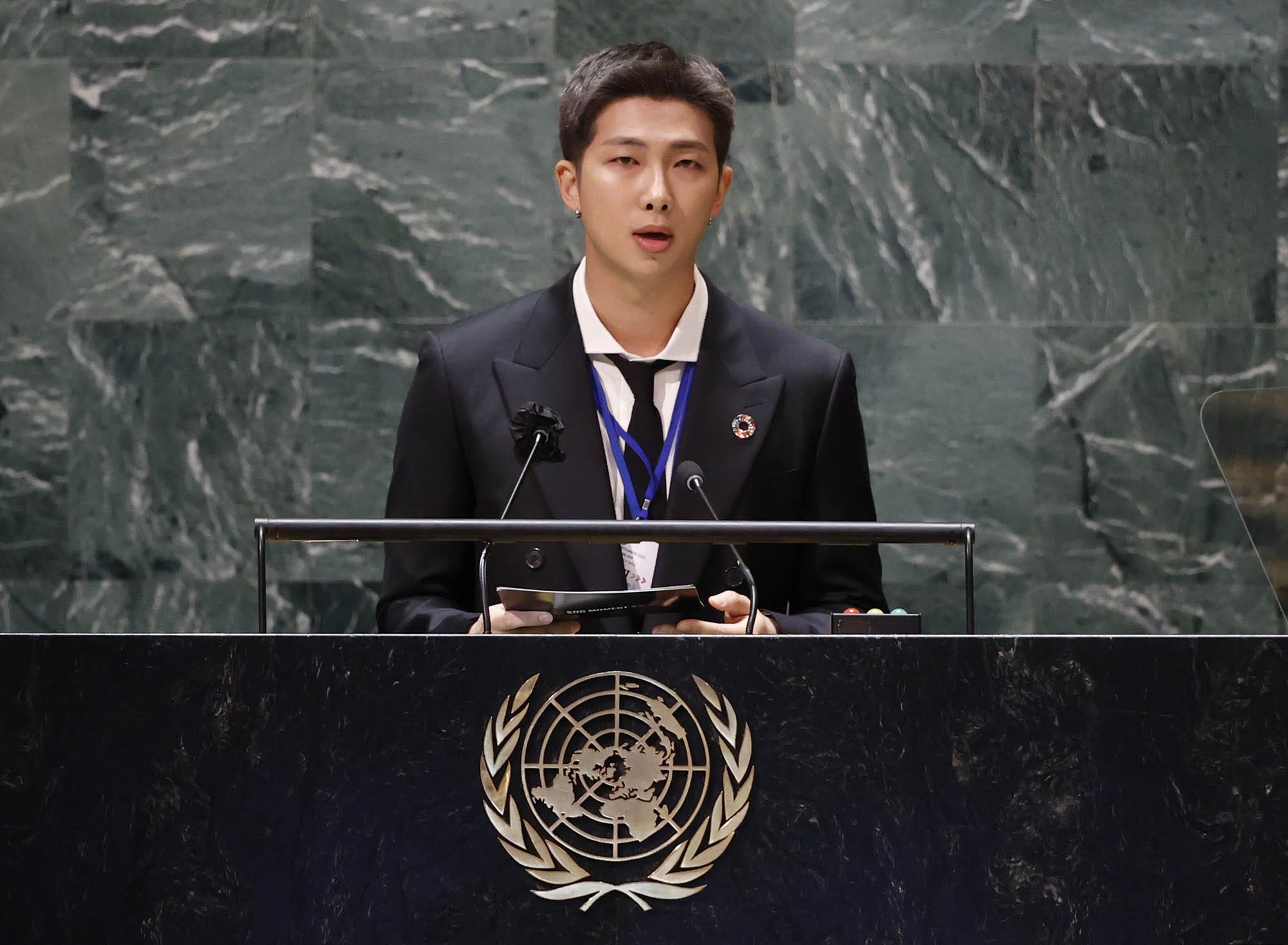
Within that framework, though, BTS in comparison to other acts in the East and especially Korea are much less subtle about their political beliefs. In their lyrics and their visuals, they have openly supported 2SLGBTQ+ rights. When RM, the leader of the band, addressed the United Nations in September 2018 (pictured in 2021 below), he was clear about this, unmistakably:
"Tell me your story. I want to hear your voice, and I want to hear your conviction. No matter who you are, where you’re from, your skin colour, gender identity: speak yourself.”
As BTS’s popularity grew (at a rate that they themselves could barely fathom) so did their sense of responsibility. It may have been standard practice for them as Korean artists to stay apolitical for a fanbase that was contained in the East but post-2016, their global influence was undeniable. For them, then, it became about maintaining the expectations for an Eastern audience while also making sure that their fans in the west felt seen.
Their $1 million donation to the Black Lives Matter movement in June 2020 after the murder of George Floyd was an extraordinary act of advocacy when you consider where they come from and the place they occupy in pop culture. When asked about the contribution, Suga said that:
“I think it’s very simple really. It’s about us being against racism and violence. Most people would be against these things. We have experienced prejudice as well ourselves. We just want to voice the fact that we feel it’s the right of everyone to not be subject to racism or violence.”
And when asked about being political, this was RM’s answer:
“We are not political figures, but as they say, everything is political eventually. Even a pebble can be political. Our goal and what we really want to see is for everyone to be able to lead safe lives. That’s the motivation for donating to BLM or our UNICEF campaign and other initiatives.”
BTS’s support of Black Lives Matter was matched by their fans for another million dollars. But the group’s domestic philanthropy and advocacy looks a little different. South Korean women are among the most educated in the world but also South Korea has the highest gender wage gap in the OECD and their gender equality index just hit an all-time low.
For years now, young women in Korea have been resisting marriage and starting a family because of entrenched misogyny. This is why the birth rate has been dropping. In response to this, young men have been increasingly anti-feminist. Here’s one example of how this relates to Korean celebrities.
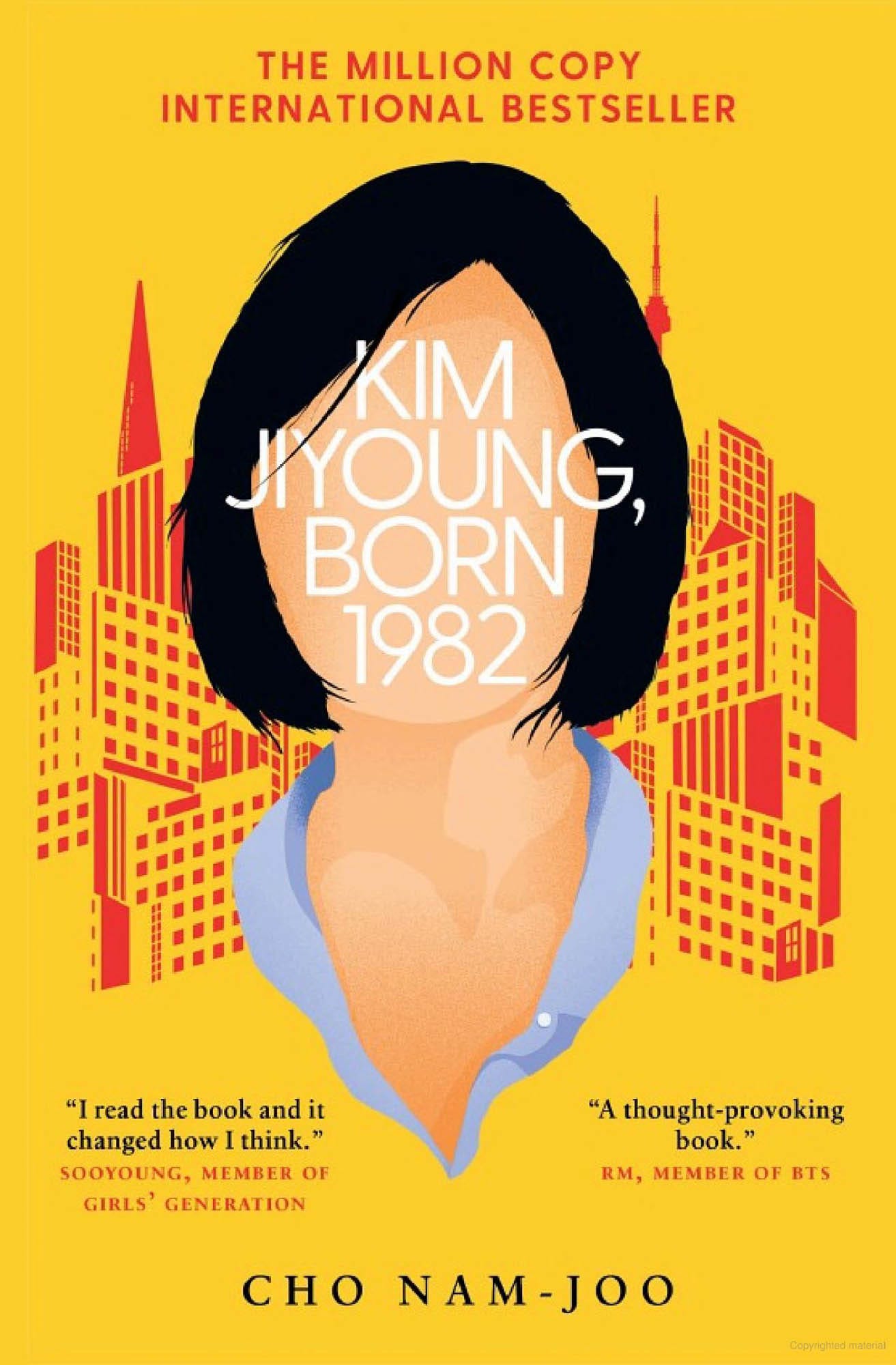
In 2016, Cho Nam-joo published a booked coincidentally just as Me Too was gaining traction around the world. Kim Ji-young Born 1982 is about a stay-at-home mother struggling with stereotypes and traditional gender roles, calling out many of the ways that women are diminished in Korean society. It was hugely controversial. In 2018 Red Velvet’s Irene said during a livestream that she had just finished reading the book and some of her male fans burned her photos. RM also recommended it to fans of BTS during a livestream after reading it. Needless to say, he didn’t experience anywhere near the same level of backlash, which only reinforces what the book was trying to illuminate.
When it was announced that the book was being turned into a film starring two major Korean stars, the female star, Jung Yu-mi was hate-spammed all over her social media accounts. Social media is toxic enough in North America but wayyyyyy more people are on social networks over there and targeted attacks are fucked up on another level. And, again, given the gender inequality that’s still deeply embedded within the culture, there’s arguably less support for women who take risks than there are in the west.
This, of course, is the simplest snapshot of a situation that requires much more analysis and research but hopefully that gives you a little more insight into an entertainment system that is different from the mainstream west.
Thanks for all your questions and for following all our TIFF coverage the last couple of weeks! Next: Emmys! We are LIVE CHATTING THE EMMYS here on Sunday (subscribe!) and we’ll have a complete wrap-up at LaineyGossip on Monday. Join us!
Keep squawking and keep gossiping,
Lainey and Sarah
I haven’t seen Frankenstein yet but since I don’t usually disagree that dramatically with Sarah, he might be his generation’s Jake Gyllenhaal for me: talented and an asshole douchebag.
If I were a betting lady, my TIFF Audience Award predictions would be Hamnet, Rental Family, and Knives Out 3. Christy, Tuner, and No Other Choice have been adding a lot of screenings, which seems like a good sign in their favour. The festival seems happier when a world premiere title wins it, which could benefit Rental Family and Knives Out. They'd be worthy winners, certainly. I saw both in public screenings and the audience was very hyped.
My personal faves that I saw this year were, in no particular order: Hamnet, Knives Out 3, Nuesta Tierra, Scarlet, The Mysterious Gaze of the Flamingo, and The Secret Agent. Rental Family did make me cry, but it was the final five minutes of Hamnet that had me bawling. My only real disappointment was Ballad of a Small Player, which was fine but a big step down from Conclave for Edward Berger.
The non-film highlight was our now-annual dinner with Sarah and Lainey!